
china tempered glass manufacturer
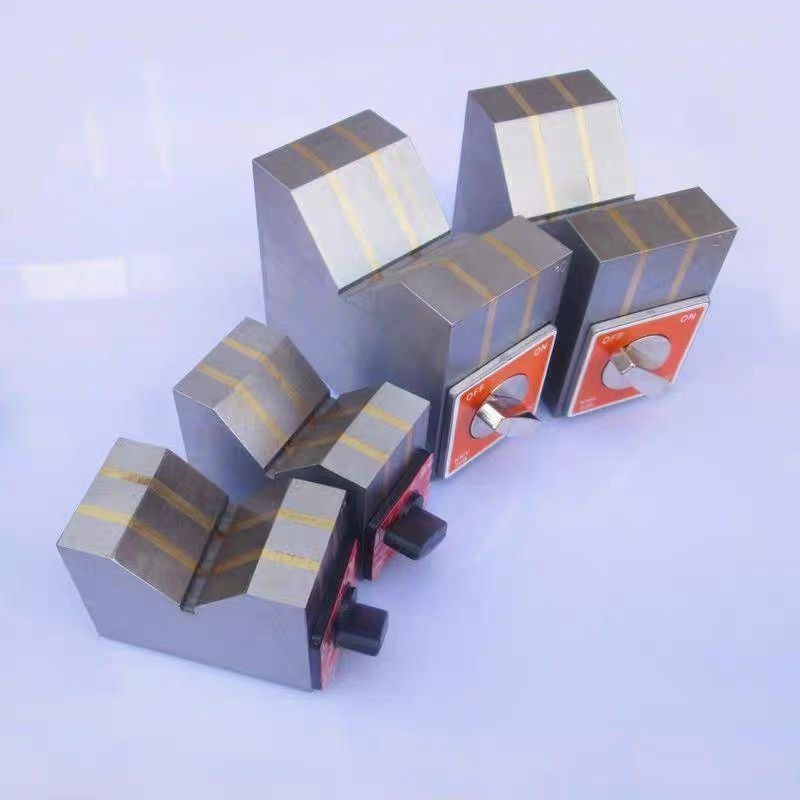
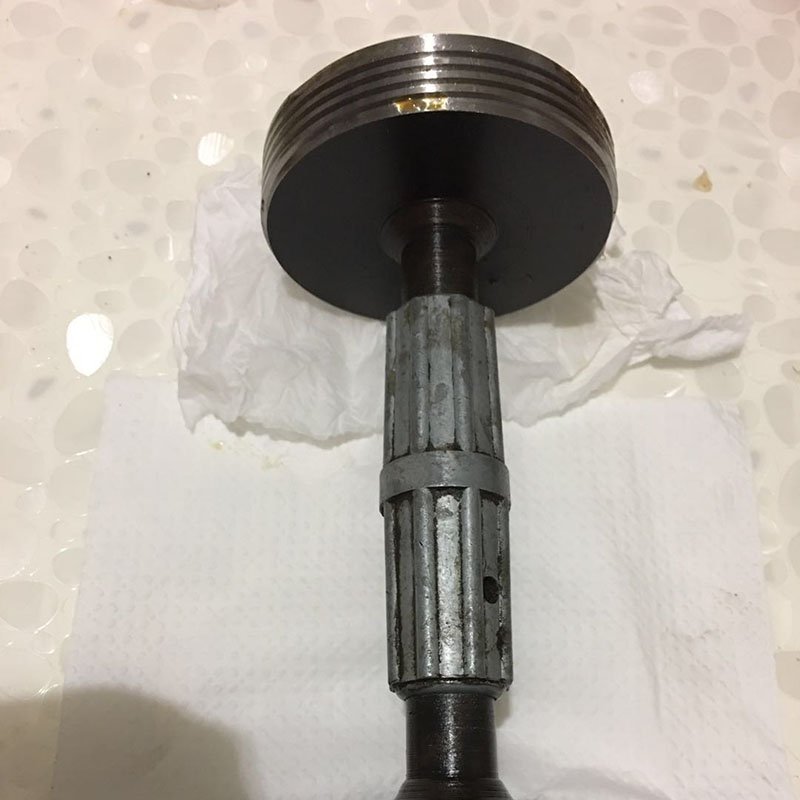
Understanding the Spline Gauge Standard The spline gauge standard represents a critical development in precision engineering and manufacturing, particularly in the production of gears, mechanical components, and a variety of other applications where precise meshing and connection are imperative. This article will explore the importance of the spline gauge standard, its applications, benefits, and implications for industry professionals and manufacturers. What is a Spline Gauge? A spline gauge is a specialized tool used to measure the dimensions and geometrical accuracy of splines, which are ridges or teeth on a drive shaft that enable it to mesh with a corresponding part, such as a gear. Splines transfer torque and rotational motion between components, facilitating efficient power transmission in machinery and vehicles. The spline gauge standard serves as a framework for ensuring that these critical components are manufactured to precise specifications. Importance of Spline Gauge Standards The spline gauge standards are vital for maintaining consistency in the manufacturing process. They provide a clear definition of the tolerances and specifications required for different types of splines, ensuring that parts produced by various manufacturers are interchangeable. This interchangeability is paramount for the reliability and efficiency of mechanical assemblies. In industries such as automotive, aerospace, and machinery, even the slightest deviation in spline dimensions can lead to significant mechanical failures or inefficiencies . Thus, adherence to spline gauge standards helps in reducing failure rates, enhancing performance, and ensuring safety in operations. Applications of the Spline Gauge Standard Spline gauge standards are used extensively across multiple sectors. In the automotive industry, for example, they play a pivotal role in the production of transmission components where precise alignment and torque transfer are crucial to vehicle performance. Similarly, in aerospace, the demanding tolerances of components that operate under high stress and dynamic loads necessitate strict adherence to spline gauge standards. Beyond the automotive and aerospace sectors, various machinery applications depend on splined connections for operational efficiency. Industrial equipment, agricultural machinery, and robotics often utilize spline joints to enable effective power transmission and movement. spline gauge standard Benefits of Adopting Spline Gauge Standards 1. Increased Interchangeability By standardizing the dimensions and tolerances of splines, manufacturers can produce parts that fit across multiple systems and machinery, reducing the need for custom components and promoting efficiency. 2. Quality Assurance The implementation of spline gauge standards allows for rigorous quality control, ensuring that all produced parts meet the necessary specifications before they are deployed in critical applications. 3. Cost-Effectiveness While the initial setup and adherence to these standards may involve upfront costs, the long-term savings generated through reduced failures, less rework, and greater efficiency can be substantial. 4. Enhanced Collaboration With a universal standard in place, manufacturers and suppliers can collaborate more effectively, as they can rely on a common understanding of the dimensions and tolerances involved. 5. Regulatory Compliance Many industries are subject to regulatory oversight, and adherence to recognized spline gauge standards can aid companies in meeting these regulatory requirements, thus protecting them from potential liabilities. Conclusion The spline gauge standard is an essential aspect of modern manufacturing, particularly in fields where precision is crucial. Its role in ensuring the accurate manufacturing of spline components cannot be overstated, as it directly impacts machine efficiency, reliability, and safety. As technology advances and the demands for precision increase, the significance of adhering to spline gauge standards will only grow. For manufacturers, embracing these standards can result in improved product quality, reduced costs, and enhanced operational performance, ultimately leading to greater competitiveness in an increasingly globalized market. In conclusion, the spline gauge standard is not merely a technical specification; it is a cornerstone of modern precision engineering that facilitates innovation, safety, and efficiency across a myriad of industries. By maintaining rigorous adherence to these standards, professionals can ensure the longevity and reliability of the mechanical systems that form the backbone of today's industrial landscape.
about
china tempered glass manufacturer
Types of Micrometers A Comprehensive Guide Micrometers are precision measuring instruments used to measure small dimensions with high accuracy. They are essential tools in various fields, including engineering, manufacturing, and science. Generally, micrometers provide measurements in millimeters or inches, depending on the unit system used. In this article, we will explore the different types of micrometers, their features, applications, and the importance of choosing the right type for your specific needs. 1. Outside Micrometer The outside micrometer, also known as the external micrometer, is primarily used to measure the outside dimensions of an object, such as the diameter of a cylindrical part. This type features a C-shaped frame that allows the user to place the object between the spindle (the moving part) and the anvil (the stationary part). The outer faces of the object are measured by rotating the thimble, which moves the spindle. Outside micrometers are typically available in various sizes, ranging from a 0–25 mm range to larger versions for bigger measurements. 2. Inside Micrometer Inside micrometers are designed to measure the internal dimensions of an object, such as the diameter of a hole or the distance between two internal surfaces. They usually consist of a rod with adjustable extensions, which allow for measurement in tight spaces. Inside micrometers come with interchangeable rods and are often available in digital versions for improved accuracy and ease of reading. This type is particularly beneficial in applications where precision is paramount, such as in the measurement of bores or internal grooves. 3 . Depth Micrometer As the name suggests, depth micrometers are used to measure the depth of grooves, holes, and slots. They feature a flat base that rests on the surface of the object being measured, with a calibrated depth gauge extending vertically to reach the bottom of the feature. Depth micrometers are essential in applications that require precise depth specifications, such as in machining and mold making. They are available in both analog and digital formats, with the latter offering more accurate readings. types of micrometer 4. Digital Micrometer Digital micrometers represent a modern evolution of traditional micrometers, providing greater convenience and precision. Equipped with a digital display, they eliminate the need for manual reading of scales, reducing the possibility of human error. Digital micrometers can be either outside, inside, or depth types and often include additional features such as data output capabilities and the option to switch between measurement units. Their ease of use and clarity make them a popular choice among professionals. 5. Vernier Micrometer The vernier micrometer, or vernier caliper, combines the features of a micrometer with the versatility of a vernier scale. This instrument allows users to take internal, external, and depth measurements, making it a multifunctional option. While it may not provide the same level of accuracy as a dedicated micrometer, the vernier micrometer is a cost-effective choice for those who need a versatile measuring tool without investing in multiple devices. Conclusion Choosing the right micrometer depends on the specific requirements of the job at hand. Whether you need to measure the external dimensions, internal dimensions, or depth, there is a specific type of micrometer to meet your needs. The accuracy and precision offered by these instruments play a critical role in various industries, ensuring that components meet stringent quality standards. Thus, understanding the different types of micrometers and their applications is crucial for anyone involved in precision measurement tasks. As technology continues to advance, digital and electronic versions of micrometers are likely to become more prevalent, making measuring processes even more efficient and accurate. In summary, owning a micrometer tailored to your specific needs not only enhances measuring accuracy but also contributes to the overall quality of the products being manufactured or assessed. Always remember to handle these precision tools with care to maintain their accuracy for years to come.
-

High quality industrial productsagement

High quality industrial products
View Details -

Meet the diverse needs of customers

Meet the diverse needs of customers
View Details -

Strict quality control

Strict quality control
View Details -

Top raw materials

Top raw materials
View Details -

Trusted supplier

Trusted supplier
View Details
Our application


news and information
valvola di ritegno non slam
Valvole di Non Ritorno Un'Analisi Approfondita Le valvole di non ritorno, conosciute anche come valv
Water Supply Control Mechanism for Efficient Valve Shutdown and Management
Understanding Water Valve Shut Off Systems In our daily lives, water is an essential resource, servi

Using a Spirit Level for Accurate Measurements in Construction and DIY Projects
Understanding the Spirit Level A Essential Tool in Precision Measurement The spirit level, an instru
 English